
Eni Completes Offshore Gas Recovery Project in Libya, Strengthening Domestic Energy Supply and Export Potential
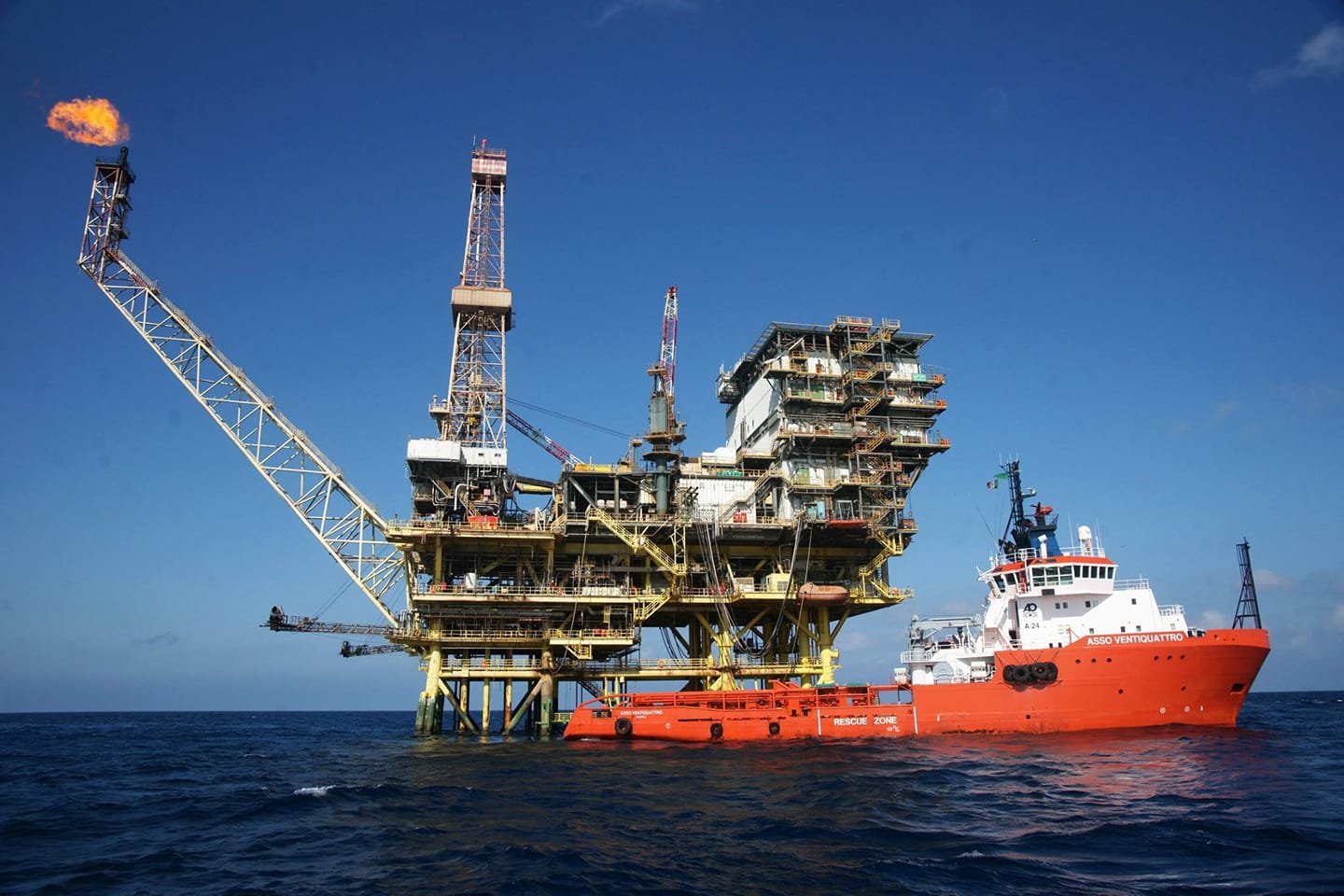
Italian energy major Eni has completed construction of the Bouri Gas Utilization Project offshore Libya, paving the way for increased natural gas recovery, reduced emissions, and stronger energy supplies for domestic and European markets.
Italian energy company Eni has announced the completion of the Bouri Gas Utilization Project in Libya's offshore Mediterranean waters, marking a significant development in the country's efforts to maximize its natural gas resources and improve energy efficiency.
The project, announced on October 19, 2026, is operated by Mellitah Oil & Gas, a joint venture between Eni and Libya's state-owned National Oil Corporation (NOC). With construction completed, start-up procedures are now underway to recover and process associated natural gas that was previously flared during oil production at the Bouri field.
Once fully operational, the project is expected to recover approximately 700 million standard cubic meters of natural gas annually, providing additional supplies for Libya's domestic electricity generation while potentially supporting exports to European markets.
Expanding Libya's Natural Gas Infrastructure
The Bouri Gas Utilization Project represents an important investment in Libya's offshore energy infrastructure, enabling the country to capture natural gas that would otherwise be burned off during oil extraction.
The development includes approximately 28 kilometers of subsea pipelines connecting the Bouri field's DP3 and DP4 platforms to the Sabratha offshore platform. The recovered gas will subsequently be transported to the Mellitah processing complex, where it can enter Libya's existing gas distribution and export network.
Engineering and construction activities included the installation of a new gas recovery module, modifications to offshore processing facilities, and upgrades to supporting pipeline infrastructure.
By utilizing existing offshore assets and processing facilities, the project is designed to increase the availability of natural gas without requiring the development of entirely new production fields.
Supporting Domestic Electricity Generation and European Exports
One of the project's primary objectives is to strengthen Libya's domestic energy supply, particularly the natural gas available for electricity generation.
Natural gas plays a central role in Libya's power sector, making reliable supplies essential for improving electricity availability and supporting industrial and economic activity.
The additional gas recovered from the Bouri field is expected to help meet domestic demand while potentially creating opportunities for increased exports to Italy through the GreenStream pipeline.
The approximately 520-kilometer subsea pipeline connects Libya's Mellitah gas processing complex with Gela in Sicily and remains a strategic energy connection between North Africa and Europe.
Although GreenStream was designed to transport approximately 8 billion cubic meters of natural gas annually, exports have declined in recent years as Libya faces constraints in available gas supplies.
According to figures reported by Agenzia Nova, Libyan gas exports to Italy fell to approximately 1 billion cubic meters in 2025, compared with 1.4 billion cubic meters in 2024 and 2.5 billion cubic meters in 2023.
The Bouri project could contribute to reversing this trend by recovering previously unused gas and making additional volumes available for domestic consumption and potential export.
However, the volume of additional exports has not yet been specified.
Reducing Gas Flaring and Environmental Emissions
Beyond its commercial and energy security benefits, the Bouri project is expected to contribute to Libya's environmental objectives.
According to Eni, the recovery of previously flared associated gas could reduce greenhouse gas emissions by approximately 1.5 million tonnes of carbon dioxide equivalent annually once the installation reaches normal operating capacity.
Gas flaring, a practice commonly associated with oil production, involves burning natural gas that cannot be captured or transported for commercial use.
Recovering this gas allows operators to convert a previously wasted resource into usable energy while reducing emissions associated with routine flaring.
The initiative supports the National Oil Corporation's ambition to eliminate routine upstream gas flaring by 2030, reflecting broader efforts to modernize Libya's energy infrastructure and improve the environmental performance of its oil and gas operations.
The projected emissions reductions remain estimates and will need to be assessed once sustained operations are established.
Eni and NOC Advance Broader Offshore Gas Investments
The completion of the Bouri project comes as Eni and the National Oil Corporation continue to advance additional investments in Libya's offshore natural gas sector.
Among the most significant developments is the approximately $8 billion Structures A&E project, which aims to bring two offshore gas fields into production.
The project is designed to achieve combined production capacity of approximately 750 million standard cubic feet of natural gas per day, with start-up targeted for 2028 under the development schedule outlined in March 2026.
Together, the Bouri Gas Utilization Project and Structures A&E development demonstrate the importance of offshore gas resources to Libya's long-term energy strategy.
Both initiatives are expected to support domestic gas availability while strengthening the country's potential role as a natural gas supplier to European markets.
A Strategic Step for Libya's Energy Future
Libya holds some of Africa's largest hydrocarbon reserves, positioning the country as an important player in regional and international energy markets.
However, realizing the full economic potential of these resources requires continued investment in infrastructure, production efficiency, processing capacity, and reliable energy distribution.
The Bouri Gas Utilization Project illustrates how targeted investments in existing oil and gas facilities can generate additional economic value while addressing environmental challenges.
By capturing previously flared gas, Libya has an opportunity to strengthen domestic electricity supplies, improve resource efficiency, and support its established energy relationship with Italy and the wider European market.
While construction has been completed, the project's long-term impact will depend on successful commissioning, sustained gas recovery, and the actual volumes delivered to domestic and export markets.
Nevertheless, the development represents a meaningful milestone in efforts to modernize Libya's energy sector and maximize the value of its offshore natural gas resources.
