
Libya’s NOC and Zallaf Review Progress on Ubari South Refinery Project Ahead of 2027 Targets
October 23, 2026 | Energy | Libya
Libya’s National Oil Corporation (NOC) and Zallaf Libya Exploration, Production and Refining of Oil and Gas Company have reviewed progress on the South Refinery Project in Ubari, a major downstream development aimed at strengthening domestic fuel production, reducing dependence on imports, and improving energy security across southern Libya.
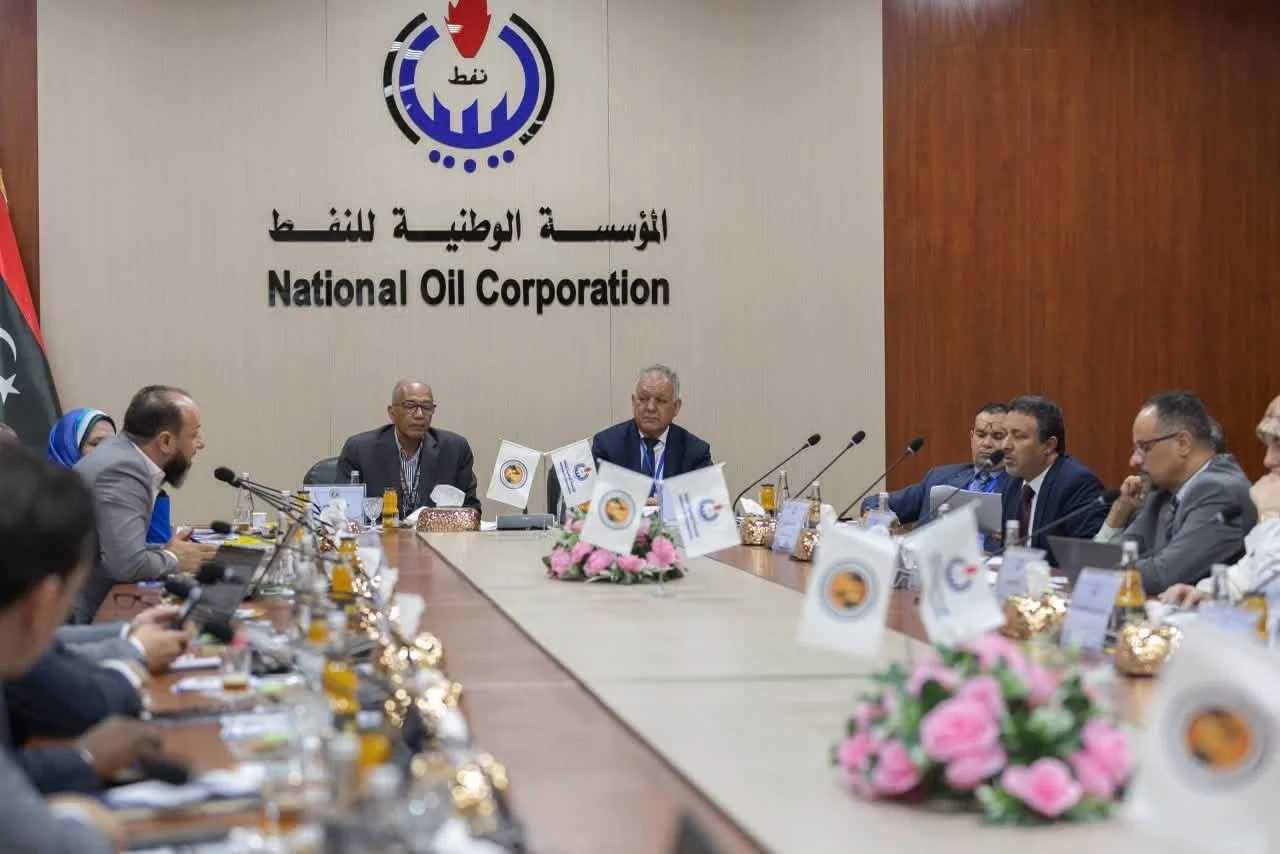
The discussions took place during a technical meeting at Zallaf Libya’s headquarters in Sebha, bringing together representatives from the NOC’s General Directorate for Oil Industries and senior officials from Zallaf. The meeting focused on assessing the project's current implementation status, reviewing its development phases, and identifying priorities and requirements for 2027.
Officials examined the technical and financial resources needed to advance the project, alongside challenges affecting its implementation. Particular attention was given to accelerating progress and coordinating the refinery’s integration with Libya’s existing fuel storage and distribution infrastructure.
A Strategic Refinery for Southern Libya
Located in Ubari, approximately 25 kilometers east of the Al-Sharara oil field, the South Refinery Project is designed to process around 30,000 barrels of crude oil per day, producing a range of petroleum products for domestic consumption.
According to Zallaf Libya, the facility is expected to produce gasoline, diesel, liquefied petroleum gas (LPG), kerosene, jet fuel, and fuel oil. The refinery is intended to improve the availability of essential fuels, particularly in southern Libya, where reliable distribution remains a strategic priority.
Beyond increasing domestic refining capacity, the project is expected to generate employment opportunities, support local industries, and contribute to broader economic development in the region.
Technical Development and 2027 Priorities
The latest meeting highlighted the importance of addressing outstanding technical and implementation challenges to maintain progress toward the project's development objectives.
Representatives discussed the refinery's planned fuel storage and distribution systems, emphasizing the need to integrate the facility with existing oil infrastructure and domestic supply networks.
The project has also attracted international engineering expertise. In March 2026, US-based engineering company KBR secured a contract to provide project management and technical services for the refinery, including support throughout the engineering, procurement, and construction phases.
Earlier development work involved Honeywell UOP, which was contracted to provide engineering services and technology licensing for the refinery's processing units.
The latest discussions centered on implementation targets for 2027, although no revised completion date or specific construction milestone was announced.
Strengthening Libya’s Energy Security
The South Refinery Project forms part of Libya's broader efforts to expand domestic refining capabilities and strengthen the reliability of its fuel supply.
By processing crude oil locally into essential petroleum products, the facility is expected to help reduce reliance on imported fuels while improving supply stability for households, transportation, industry, and power generation.
The meeting was attended by senior officials from the NOC's General Directorate for Oil Industries, relevant department directors, and technical specialists, alongside members of Zallaf Libya's board of directors and management team.
As development progresses, the South Refinery remains a strategically important investment in Libya's downstream oil sector, with the potential to strengthen regional energy infrastructure and support long-term economic activity in the country's south.
