
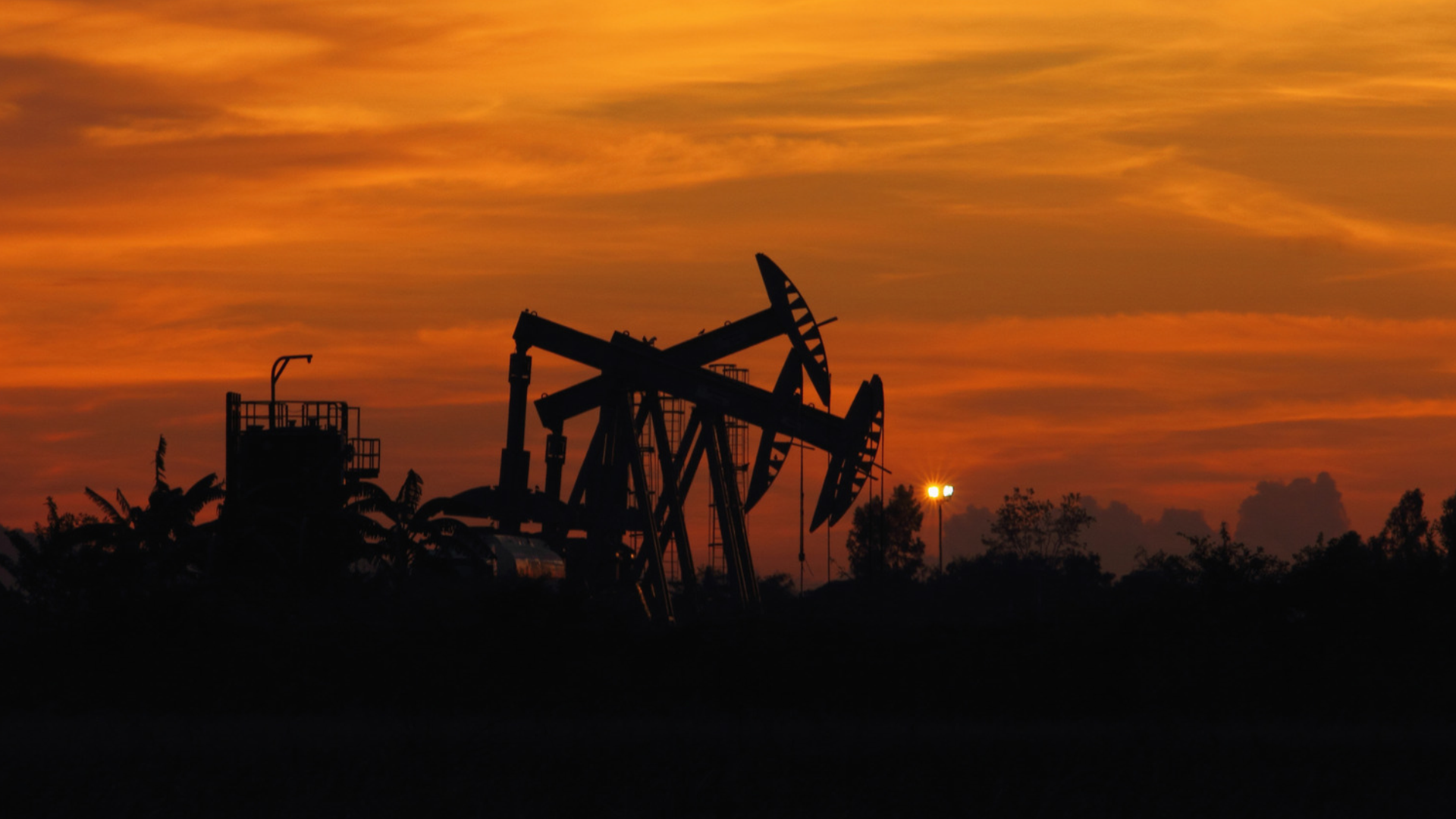
Morocco plans to invest approximately MAD 9.21 billion ($1 billion) in oil and natural gas exploration through 2031, as the North African country seeks to identify commercially viable hydrocarbon reserves and strengthen its long-term energy security.
The planned investment, outlined in a report by Morocco’s Ministry of Economy and Finance and reported by Bloomberg’s Asharq Business on October 26, reflects the government’s efforts to expand domestic energy resources while reducing its reliance on imported fossil fuels.
According to the report, foreign and domestic private-sector companies are expected to finance approximately 91% of the investment, with the remaining participation involving the National Office of Hydrocarbons and Mines (ONHYM), Morocco’s state-owned institution responsible for hydrocarbon and mineral exploration.
The programme is expected to support exploration activities across Morocco’s onshore and offshore basins, creating opportunities for international energy companies, exploration operators, and technical service providers.
Private Investment to Drive Hydrocarbon Exploration
Morocco has increasingly relied on partnerships with international energy companies to assess its oil and natural gas potential, particularly as domestic hydrocarbon production remains limited.
At the end of 2025, 11 companies were conducting hydrocarbon exploration activities across approximately 107,000 square kilometres of Moroccan territory and offshore areas.
These activities included 10 onshore and 30 offshore exploration licences, according to the Ministry of Economy and Finance’s report on the performance of state-owned enterprises, submitted alongside the draft 2027 national budget.
The planned investment through 2031 is expected to maintain exploration momentum while encouraging further private-sector participation in the country’s upstream energy industry.
ONHYM will continue to play a central role in coordinating exploration activities, supporting partnerships with international operators, and promoting the development of Morocco’s hydrocarbon resources.
Morocco Seeks to Strengthen Domestic Energy Security
Despite years of exploration, Morocco continues to depend heavily on imported oil and natural gas to meet domestic energy requirements.
This reliance leaves the country exposed to international energy price fluctuations and global supply disruptions, making domestic resource development an important component of its broader energy strategy.
The government’s planned exploration programme aims to identify commercially viable reserves that could eventually contribute to local production and reduce the financial burden associated with energy imports.
While the discovery and development of new reserves remain uncertain, expanding exploration activities could provide Morocco with additional opportunities to diversify its energy supply and strengthen industrial competitiveness.
The initiative also forms part of a wider national energy transition strategy that includes renewable energy development, electricity infrastructure investment, and greater regional energy connectivity.
Tendrara Gas Project Advances Toward Commercial Production
Morocco is also progressing with natural gas developments that could help increase domestic supply in the coming years.
Among the most significant is the Tendrara natural gas project in eastern Morocco, operated by Moroccan mining group Managem.
The project is approaching commercial production and represents an important step in Morocco’s efforts to develop locally sourced natural gas for industrial and energy applications.
Morocco’s annual natural gas consumption is estimated at approximately 1 billion cubic metres, with demand primarily driven by steel manufacturing, the phosphate industry, and electricity generation.
According to the ministry’s report, natural gas volumes transported through the country’s pipeline infrastructure increased by 7.9% in 2025, reaching approximately 890.1 million cubic metres.
The growth highlights the increasing importance of natural gas in Morocco’s energy system, particularly as the country seeks to diversify its power generation mix and provide reliable energy supplies to industrial consumers.
Nigeria Morocco Gas Pipeline Supports Regional Energy Ambitions
Alongside domestic exploration, Morocco is pursuing the Nigeria-Morocco Atlantic African Gas Pipeline, a major regional infrastructure project intended to strengthen natural gas supply and connectivity across West Africa.
The proposed pipeline, stretching approximately 6,800 kilometres, is designed to transport up to 30 billion cubic metres of natural gas annually.
With an estimated cost of $25 billion, the project would connect Nigeria with countries along Africa’s Atlantic coast before reaching Morocco and potentially linking to European energy markets through the existing Maghreb-Europe Gas Pipeline.
The infrastructure is intended to improve access to natural gas across participating countries, support industrial development, and create new opportunities for regional energy trade.
According to the Ministry of Economy and Finance, the project reached a significant milestone in July 2026 with the signing of an intergovernmental agreement among participating countries.
Development is expected to proceed in phases, with initial natural gas supplies targeted for 2031.
The project remains subject to financing, regulatory approvals, technical development, and construction requirements.
Expanding Opportunities for International Energy Investors
Morocco’s planned exploration expenditure could create new business opportunities across the upstream oil and gas value chain.
International exploration companies, drilling contractors, seismic survey providers, engineering firms, and energy technology suppliers could benefit from increased activity as the country evaluates its hydrocarbon potential.
The substantial expected contribution from private-sector investors also highlights Morocco’s strategy of attracting international expertise and capital to support domestic resource development.
In parallel, the advancement of natural gas projects and regional pipeline infrastructure could strengthen Morocco’s position as an energy investment destination connecting African and European markets.
The combination of exploration spending, domestic gas development, and cross-border infrastructure investment reflects the country’s broader ambition to diversify its energy supply while supporting long-term economic growth.
Outlook
Morocco’s planned $1 billion investment in oil and natural gas exploration through 2031 represents a significant commitment to developing its domestic hydrocarbon potential.
Although commercial discoveries are not guaranteed, the programme could help accelerate resource assessments, strengthen international partnerships, and lay the groundwork for future production.
Together with the development of the Tendrara gas project and the proposed Nigeria-Morocco Atlantic African Gas Pipeline, the investment underscores Morocco’s efforts to enhance energy security, diversify supply sources, and strengthen its role in the evolving regional energy landscape.
